
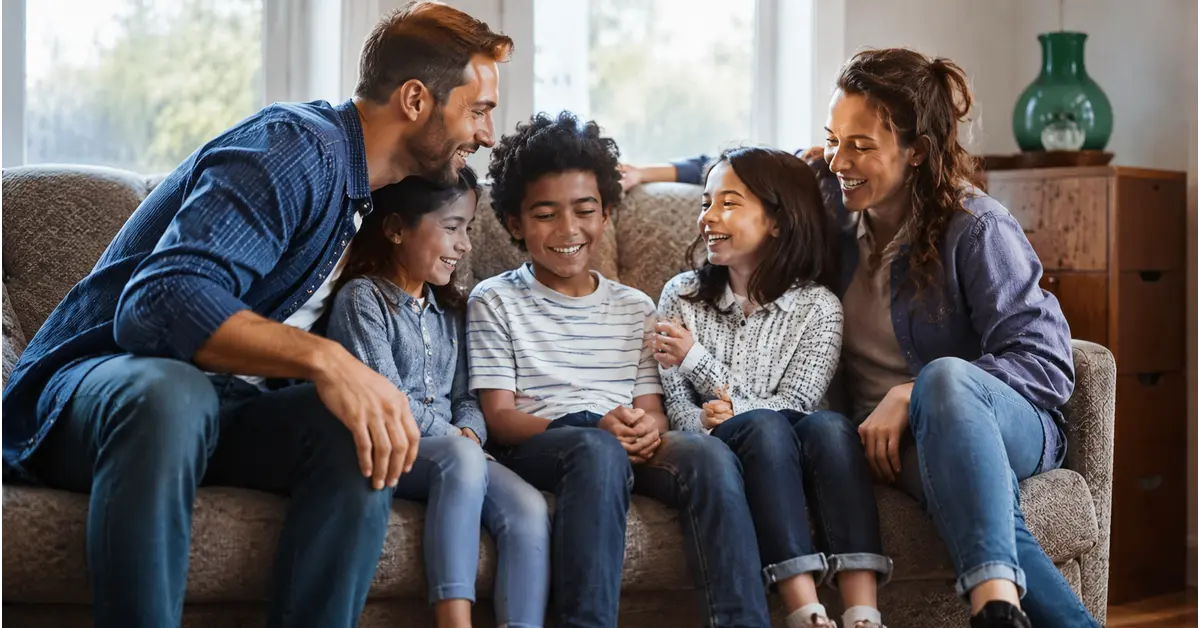
Aunts Are Special and Important: 9 Reasons They Matter
Aunts are special and important because they often become one of the most loving, steady, and memorable people in a child’s life. In many American families, an aunt is not just a relative who appears at holidays. She may be a second mother, a trusted friend, a fun adult, a safe listener, a mentor, and sometimes the person who understands a child in a way no one else does.
Families today come in many shapes. Some children grow up close to grandparents, cousins, stepparents, family friends, or relatives who step into caregiving roles. In that wider family circle, aunts often hold a beautiful place. They are close enough to matter deeply, but sometimes just far enough from daily parenting pressure to offer patience, perspective, humor, and comfort.
Why aunts matter so much in modern families
Quick answer: Aunts matter because they add another layer of love, guidance, and emotional safety to a child’s life. They can support parents, encourage children, create family memories, and offer a trusted voice outside the immediate parent-child relationship.
An aunt can be many things at once. She can be the person who shows up for birthdays, the adult who remembers a child’s favorite snack, the one who listens without judging, or the person who gives advice when a child is not ready to talk to a parent. That role may look simple from the outside, but it can shape a child’s confidence and sense of belonging.
For many women, becoming an aunt is also life-changing. Long before becoming parents themselves, some aunts learn how to care for children, comfort them, teach them, and enjoy their unique personalities. The bond can prepare them for motherhood, but it can also be meaningful on its own. Being an aunt is not a smaller version of being a parent. It is its own special relationship.
1. Aunts offer a different view of life
Quick answer: Aunts can give children a fresh perspective because they are family, but they are not always inside the daily parent-child routine. This allows them to explain, encourage, and advise in a way that may feel easier for a child to receive.
Parents carry the responsibility of rules, schedules, discipline, homework, meals, and daily decisions. Aunts often enter the picture with a little more emotional space. Because of that, children may feel more comfortable asking them questions, sharing thoughts, or talking through something that feels complicated.
An aunt can help with small things, like learning letters, numbers, or schoolwork. She can also help with bigger things, like friendships, confidence, disappointment, or difficult choices. Her point of view may not replace a parent’s guidance, but it can add something valuable to it.
2. Aunts show up for important moments
Aunts often make birthdays, graduations, holidays, school events, and family milestones feel more meaningful. Their presence tells children that they are loved, celebrated, and supported by more than one person.
Many aunts are the ones who remember the birthday theme, bring the thoughtful gift, cheer at the graduation, or drive across town for the school concert. They may take a day off work, travel for a special event, or make a child feel like the star of the day.
For children, these memories matter. They remember who clapped for them. They remember who brought balloons. They remember who showed up when something was important. An aunt’s presence can become part of a child’s emotional memory of being loved.
3. Aunts make everyday life more fun
Quick answer: Aunts often bring playfulness into a child’s life. They may plan sleepovers, museum trips, backyard games, movie nights, craft projects, shopping days, or simple moments that turn into lifelong memories.
One of the best parts of being an aunt is getting to enjoy children outside the constant pressure of daily parenting. Aunts can be the fun adult who says yes to pancakes for dinner, builds a blanket fort, dances in the kitchen, or plans a surprise trip to the zoo.
In the United States, where families may live across different cities or states, this time together can feel especially precious. Even if an aunt does not see her nieces and nephews every week, the moments she creates can leave a lasting mark. Fun is not shallow. For a child, shared joy is one of the strongest forms of connection.
4. Aunts give love and affection freely
A loving aunt can give children warmth, hugs, encouragement, and emotional reassurance. This kind of affection helps children feel seen, valued, and safe within their extended family.
Children need affection from more than one direction. A parent’s love is central, but the love of an aunt can add another source of emotional security. A hug from an aunt, a sweet message, a proud smile, or a simple “I believe in you” can mean more than adults sometimes realize.
Aunts often have a way of making children feel special without asking anything in return. They may notice small changes, celebrate little wins, and offer comfort when life feels hard. That kind of attention can strengthen a child’s sense of worth.
5. Aunts can be safe listeners
Children and teens may tell an aunt things they are not ready to share with their parents. A trusted aunt can listen calmly, offer guidance, and help a child feel less alone while still protecting their safety.
As children grow older, they do not always bring every problem directly to their parents. They may worry about being punished, misunderstood, or judged. An aunt can become a bridge – someone close to the family who still feels a little easier to talk to.
This role requires care. A good aunt knows the difference between keeping a harmless confidence and stepping in when a child’s safety or well-being is at risk. She can be warm and trustworthy without ignoring serious concerns. That balance is one of the reasons aunts can be so important during the teenage years.
6. Aunts help teach values
Aunts can reinforce values such as kindness, honesty, responsibility, courage, generosity, and respect. Children often learn not only from what adults say, but from how those adults live and treat others.
An aunt may teach values in everyday ways. She may model patience when plans go wrong, generosity when someone needs help, or courage when life is difficult. Children notice these things. They learn from the adults who stay consistent.
Sometimes an aunt’s lesson lands differently because it does not sound like a lecture from a parent. A niece or nephew may be more open to hearing advice from someone who feels both loving and slightly outside the daily household structure. That makes the aunt’s voice powerful.
7. Aunts support parents, too
Aunts do not only help children. They can also support parents by babysitting, offering encouragement, helping during busy seasons, or simply being another trusted adult who loves the child deeply.
Parenting can be exhausting, especially in households where work, school, bills, caregiving, and daily stress all collide. A dependable aunt can make a real difference. She may watch the kids for an afternoon, help with pickups, attend games, or give parents a chance to breathe.
This support is especially meaningful because it comes from love, not obligation alone. When an aunt takes care of her nieces and nephews, she is also strengthening the whole family system. Children benefit from more loving adults, and parents benefit from knowing they are not doing everything alone.
8. Aunts can correct with kindness
Aunts can help guide children when they make mistakes, often with a gentler tone than a parent under daily pressure might have. This can help children learn without feeling rejected or ashamed.
Children need boundaries, but they also need adults who can explain those boundaries with patience. Aunts often have the emotional distance to pause, listen, and talk through what happened. Instead of immediately reacting, they may ask questions and help the child understand the better choice.
This does not mean aunts should undermine parents. The healthiest family dynamic happens when adults support one another. But an aunt’s calm correction can be a gift. She can remind a child that mistakes are part of growing up, not proof that they are bad.
9. Aunts make family bonds stronger
Aunts help keep families connected across generations. They share stories, traditions, photos, recipes, holiday rituals, and family history that give children a stronger sense of identity and belonging.
An aunt often carries pieces of the family story. She may remember what a parent was like as a child, tell funny stories about grandparents, or keep traditions alive during holidays. These memories help children understand where they come from.
That family connection becomes even more important as children grow. A niece or nephew may one day look back and realize that their aunt was part of nearly every meaningful chapter – birthdays, graduations, hard conversations, silly jokes, family dinners, and quiet moments of support.
National Aunt and Uncle’s Day in the United States
National Aunt and Uncle’s Day is commonly observed in the United States on July 26. It is a simple opportunity to call, visit, thank, or celebrate the aunts and uncles who have made family life richer.
National Aunt and Uncle’s Day may not be a major holiday, but it is a meaningful reminder. It gives families a reason to pause and appreciate relatives who often give love quietly. A phone call, handwritten note, lunch date, framed photo, or shared memory can mean a lot.
For children, this day can also become a lesson in gratitude. It teaches them that family love deserves to be named, celebrated, and returned. Aunts do not need expensive gifts. Most of them simply want time, connection, and the feeling that their love has mattered.
Conclusion
Aunts are special because they bring love, fun, wisdom, support, and emotional safety into a child’s life. Their role may be different from a parent’s, but it can be just as unforgettable.
An aunt can be the person who shows up, listens, celebrates, teaches, protects, and makes childhood brighter. She may not always live in the same home or make the daily rules, but her influence can last for decades.
Whether she is a biological aunt, an aunt by marriage, a chosen aunt, or a close family friend who fills that role, her love can become one of the great gifts of a child’s life. Aunts make families warmer, louder, funnier, stronger, and more connected. That is why they matter so much.


latest video

news via inbox
Nulla turp dis cursus. Integer liberos euismod pretium faucibua